
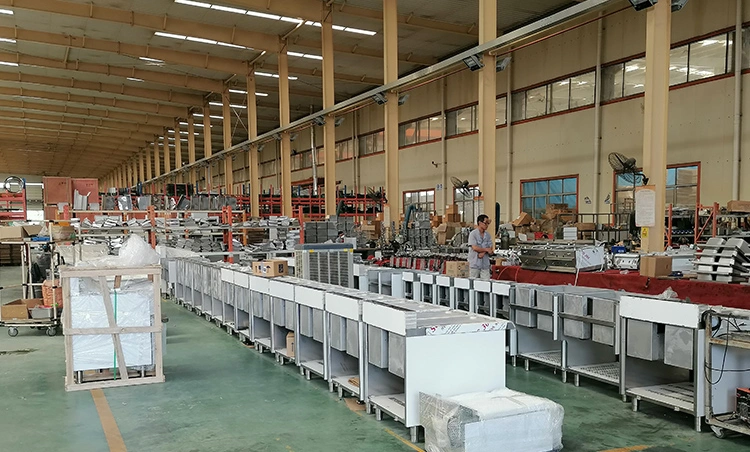
Commercial kitchen equipment is designed for large-scale use in settings such as hotels, restaurants, canteens, and institutional kitchens (e.g., schools, government agencies, and construction site cafeterias). These products are characterized by their variety, larger specifications, higher power, greater capacity, and higher cost compared to household kitchen equipment. They focus on comprehensive kitchen solutions, with metal components typically made of stainless steel. Commercial kitchen equipment can be broadly categorized into five types: cooking appliances, ventilation and exhaust systems, preparation equipment, mechanical equipment, and refrigeration/insulation equipment.
Categories of Commercial Kitchen EquipmentCommercial kitchen equipment is divided into five main categories:
- Cooking Appliances
Commonly used appliances include natural gas or liquefied petroleum gas stoves. Popular products include double-burner single-tail stoves, double-burner double-tail stoves, single-burner single-tail woks, double- or single-burner low-soup stoves, and single-, double-, or triple-door steam cabinets. Japanese and Korean-style kitchens may also use teppanyaki grills. Gas appliances must pass relevant safety inspections before use. With advancements in electromagnetic technology, some kitchens are adopting induction cookers, which are eco-friendly, cost-effective, and represent a future trend. - Ventilation and Exhaust Systems
To ensure food hygiene and the health of kitchen staff, exhaust systems are essential. Common equipment includes luxury range hoods, water-wash hoods, oil fume purifiers, and fans. The installation of these systems must be calculated based on the number and area of gas appliances, with the exhaust system covering at least 20% more area than the appliances to ensure air quality. Health authorities conduct regular inspections to verify compliance. - Preparation Equipment
This category includes a variety of equipment such as worktables, shelves for cutting vegetables or storing rice and flour, 3- to 5-tier vegetable racks, dough preparation tables, and sinks. Most of these are made of stainless steel for durability and hygiene. - Mechanical Equipment
Smaller mechanical devices are commonly used, including slicers, mixers, dough kneaders, noodle presses, soybean milk machines, coffee machines, and ice makers. These vary widely in brand and functionality and are selected based on the kitchen’s operational needs and sophistication. - Refrigeration and Insulation Equipment
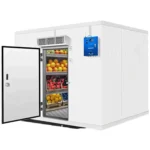
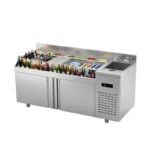
For storing raw materials, refrigerators (commonly 4-door or 6-door models) are widely used. To maintain food temperatures, equipment like warming tables and serving counters is necessary. Water heaters are also essential.
Maintenance of Commercial Kitchen EquipmentAs stainless steel is an alloy of iron, nickel, manganese, and other metals, proper maintenance is critical. Follow these guidelines:
- Regularly wipe surfaces with a damp cloth to remove dirt, then dry with a clean cloth.
- Avoid spilling corrosive liquids like vinegar or cooking wine on surfaces. If spills occur, rinse immediately with water and dry.
- Avoid frequently moving stoves, shelves, or cooking machinery, especially by sliding them across the floor.
- Regularly check stainless steel stoves for gas leaks.
- Clean mechanical equipment like dough mixers and slicers promptly after use to maintain hygiene and functionality.
Selection of Commercial Kitchen Equipment
- Accessories: Essential items include sinks, faucets, gas stoves, range hoods, dishwashers, trash bins, and spice racks. These can be purchased independently or through a designer for a cohesive setup.
- Selection Criteria: Prioritize quality, functionality, and aesthetics. Products should be durable, resistant to wear, acid, alkali, fire, bacteria, and static electricity. Designs should balance beauty, practicality, and convenience.
Four Key Principles of Commercial Kitchen Equipment Design
- Safety First
Safety is the top priority in commercial kitchen equipment design. Products must meet quality standards and adhere to human safety principles during use. Designs should minimize sharp edges to ensure user safety. - User-Centric Design
Kitchen operations require a logical workflow. Equipment placement should follow the correct operational sequence, with stove heights and cabinet positions designed for ease of use. Selecting equipment that aligns with ergonomic principles and kitchen workflows is critical for convenience. - Hygiene
Commercial kitchen equipment must resist contamination, particularly from pests like cockroaches, rats, and ants, to ensure the intrinsic quality of the kitchen environment. - Fire Resistance and Aesthetics
Surface materials should be fire-resistant, using non-combustible or flame-retardant materials from reputable manufacturers. Equipment should also be visually appealing, with durable colors and designs that are easy to clean and maintain. - Energy Efficiency and Environmental Sustainability
While traditional kitchens relied on coal, modern ones use oil or gas, which are more environmentally friendly. Energy-saving stoves from professional manufacturers can achieve 30%-60% energy savings, contributing to sustainability.
Installation of Commercial Kitchen Equipment
- Installation Sequence:
- Wall and floor preparation
- Product inspection
- Wall cabinet installation
- Base cabinet installation
- Water supply and drainage connection and testing
- Installation of supporting appliances
- Testing and adjustment
- Cleanup
- Installation Requirements:
- Install equipment after all kitchen renovation and cleaning are complete.
- Professional personnel should measure and design to ensure accurate sizing. Equipment and cabinets (with adjustable feet) must be level, and seams between gas appliances and countertops should be sealed with silicone to prevent water leakage.
- Prioritize safety by ensuring hardware (hinges, handles, rails) and wall cabinets are securely installed.
- For range hoods, adjust the height based on the user’s height, keeping the distance from the stovetop under 60 cm. Install hoods and cabinets simultaneously to avoid issues.
- Acceptance Criteria: Ensure no loose parts or tilting, secure connections to the base wall, compliance with national standards, accurate pipeline and inspection port placement, gaps less than 3 mm, a clean and uncontaminated setup, and fully installed accessories meeting design requirements.
ConclusionProper selection, installation, and maintenance of commercial kitchen equipment are crucial for creating a safe, efficient, and hygienic kitchen environment. By adhering to the principles of safety, user-centric design, hygiene, fire resistance, and energy efficiency, you can ensure a high-performing kitchen tailored to your needs.For all your commercial kitchen equipment needs, visit zhongjimetal.com.