
Choosing the right commercial refrigeration equipment (such as freezers or coolers) is crucial in environments like restaurants, hotels, schools, or convenience stores. It not only ensures food freshness and safety but also improves operational efficiency and reduces costs. This guide will walk you through everything from basics to practical tips to find the perfect solution for your business.
Freezers vs. Coolers: Temperature Differences and Uses
The main difference between commercial freezers and coolers lies in their temperature ranges and storage purposes:
- Freezers: Typically maintain temperatures at -18°C to -10°C (0°F to -10°F), ideal for long-term storage of frozen items like meat, poultry, seafood, ice cream, and frozen vegetables. This effectively prevents bacterial growth and preserves texture.
- Coolers: Operate in the range of 2°C to 8°C (35°F to 46°F), perfect for short-term storage of beverages, dairy products, fresh produce, pre-made salads, and other perishables to keep them fresh and flavorful.
When choosing, base your decision on your menu and storage needs: Prioritize freezers if your business involves a lot of frozen foods (like pizza shops or meat processing); opt for coolers if it’s mainly fresh ingredients and drinks (like cafes or supermarkets).
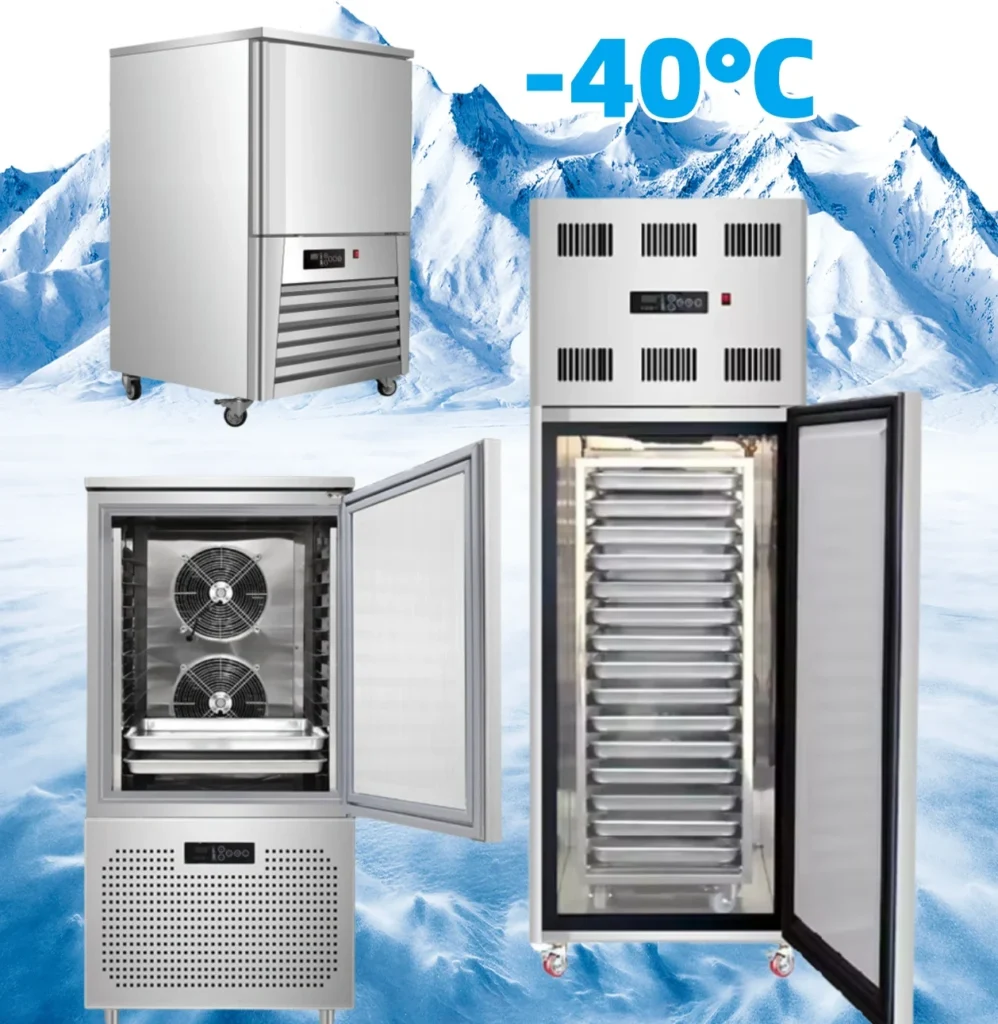
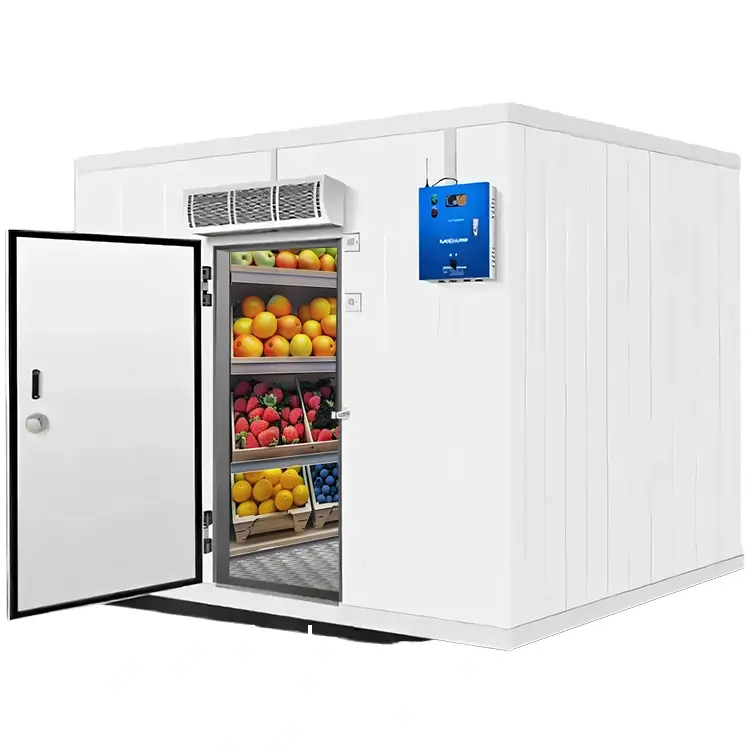
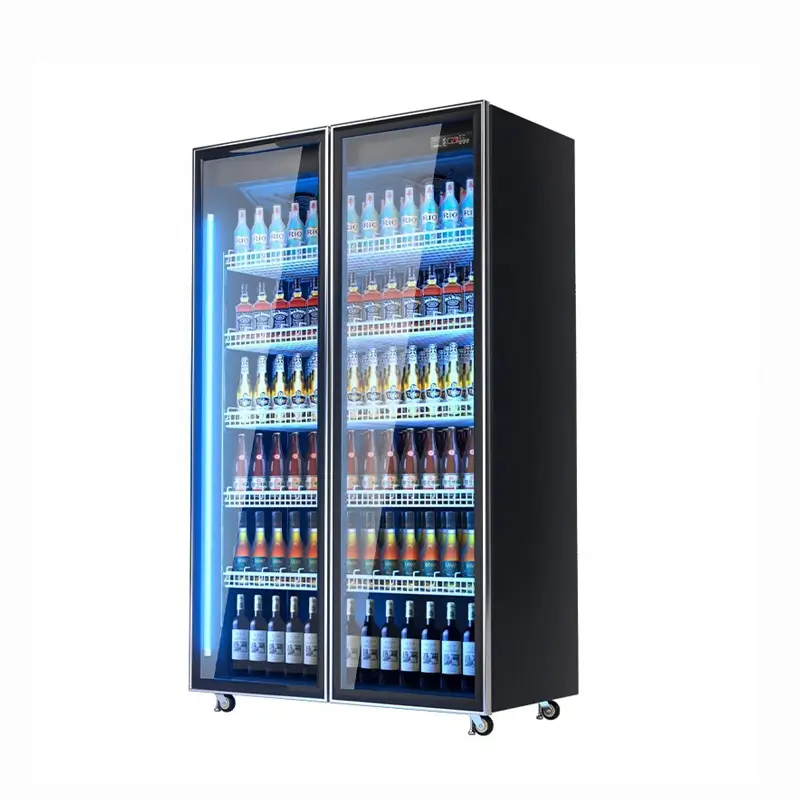
Storage Breakdown
Freezers are ideal for: Frozen pizzas, meats, vegetables, ice cream, and other items requiring long-term sub-zero storage.
Coolers are perfect for: Beverages, fresh produce, dairy products, pre-made foods, and other short-term chilled items.
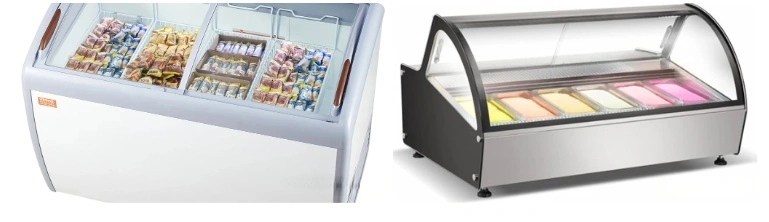
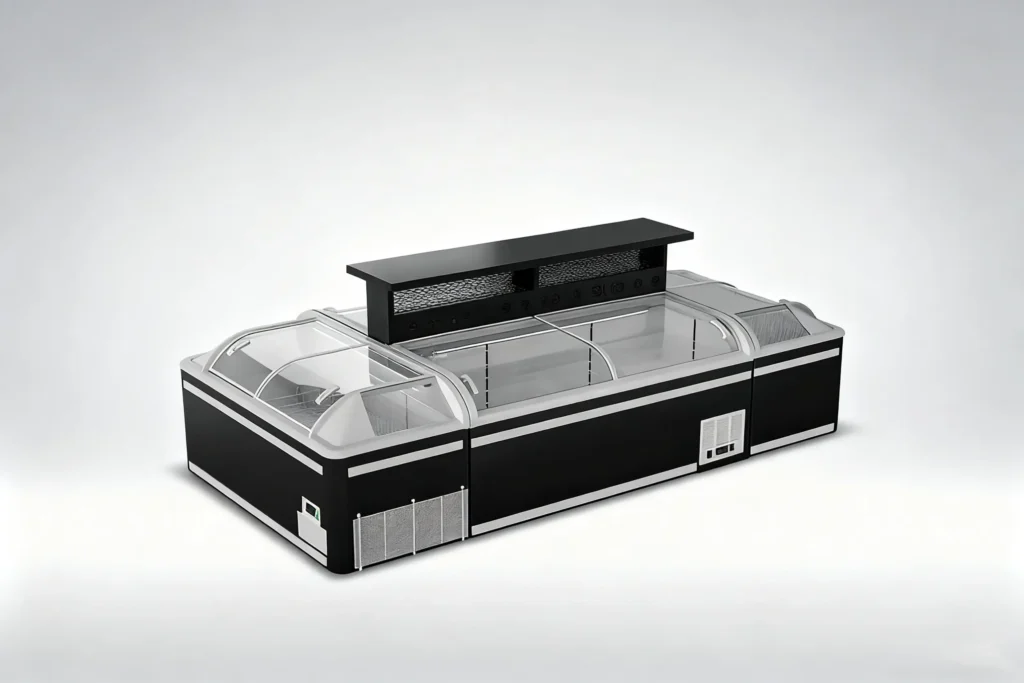
(Examples of ice cream display freezers—great for front-of-house to attract customers.)
What Size Equipment Do You Need?
Sizing is a key step—too small leads to storage shortages, too large wastes energy and space.
- Assess daily, weekly, and monthly storage volumes, along with delivery frequencies.
- Factor in peak periods (like holidays, weekends, or events) for extra demand.
- Common types:
- Undercounter: Compact, ideal for space-limited bars or prep areas.
- Reach-in: Mid-size common choice, with capacities from 20-80 cubic feet.
- Walk-in: High-capacity for bulk storage.
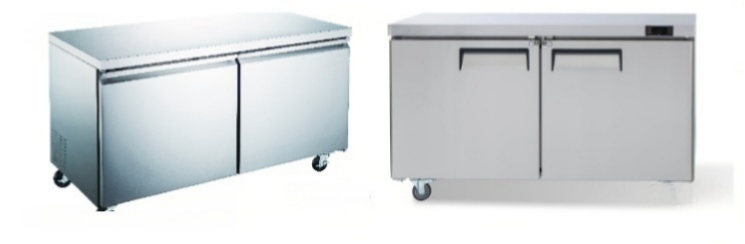
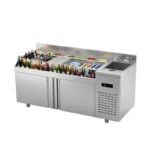
(Examples of undercounter freezers—space-saving options.)
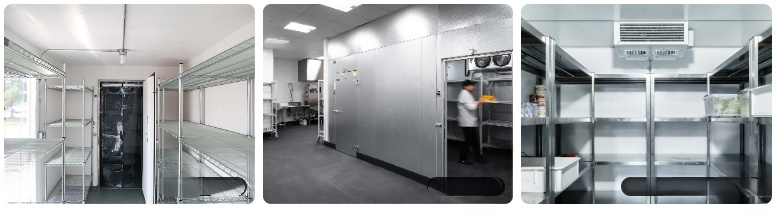
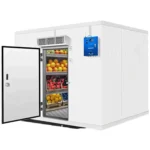
(Interior examples of walk-in coolers—suitable for large kitchens.)
Tip: Measure your available space accurately, leaving clearance for ventilation (at least 4-6 inches), and consider future business growth.
Choosing Based on Business Type
- Restaurants and Bars: Reach-in freezers for back-of-house, display freezers for ice cream or frozen treats, and keg coolers for beverages.
- Hotels: Walk-ins for bulk storage, undercounter units for mini-bars, and reach-ins for grab-and-go breakfast areas.
- Schools and Hospitals: Walk-ins for large quantities, reach-ins or undercounters for individual areas, ensuring food safety compliance.
Space Measurement and Installation Tips
- Use a tape measure for precise length, width, and height.
- Allow ventilation space around the unit (typically 4-8 inches on sides and back).
- Check door swing direction to avoid obstructing traffic—opt for left/right opening or sliding doors.
Additional Features and Accessories to ConsiderModern commercial units offer plenty of options for added convenience:
- Extra shelving, LED lighting, casters for mobility.
- Self-closing doors, explosion-proof interiors (for flammable environments).
- ADA-compliant designs (like low handles or ramps).
- Accessories: Baskets, lids, organizers for better efficiency. Most units are ready-to-use with no extra refrigerant needed.
Prioritize stainless steel for durability and easy cleaning; digital controls for precision. Energy-efficient brands like True, Turbo Air, or Atosa are highly recommended in 2025.Maintenance Tips: Extend Your Equipment’s Life
- Regularly wipe surfaces with mild detergent and water.
- Inspect door gaskets and replace if worn to maintain a proper seal.
- Manually defrost freezers to prevent ice buildup.
- Follow the manual for specific maintenance, and schedule professional checks periodically.
Proper maintenance reduces energy use, prevents food spoilage, and avoids costly repairs.Selecting commercial refrigeration is an investment that directly impacts your efficiency and food safety. We recommend consulting professional suppliers based on your specific needs, budget, and space. If you have a particular business scenario, feel free to leave a comment!